
Viv & Norman present
AI Character Factory
Create your AI character and the system that turns out new episodes every week. Taught from a series that's running right now.
Taught by Alena Nyrkova, creator of Viv & Norman
@viv.and.norman on Instagram
You're on the list. Here's your free Character Card: open it or download the PDF.
Course · Vivienne's Character Bible · Two written reviews of your work
The factory
She is an AI character.
This is the factory that makes her.
The work
See the work.
Learn the process.
Same Vivienne in every episode: a want, a secret and a dog who sees through her. Then learn the decisions behind each shot.
The whole story so far, in order. Tap an episode to watch with sound. New episodes on @viv.and.norman.
Episodes released on Instagram

Your instructor
Alena Nyrkova
AI creator · Entrepreneur · Former actress and producer
I'm an AI creator and an entrepreneur with ten years in business. Before that, I was a professional actress and producer.
I graduated from one of Russia's leading drama schools, where I spent four years studying how drama is built: how a character is made, what drives a story, and what leaves an audience cold. Then I spent years working in film, on the making of films.
Whenever someone asked me what I'd do if I never had to think about money, my answer was always the same: I'd make films. In 2026 that finally became possible without a budget or a crew. AI let me create anything I want, using everything I know. Viv & Norman is the first thing I made this way: a 412-year-old vampire in Los Angeles who performs feelings she can't feel, and the Pomeranian she never has to impress.
Her being a vampire is a metaphor for the way we live now. Many of us have lost the ability to build lasting attachments, and Vivienne is a character for whom human feelings simply won't come. She studies them, performs them, and misses by half a beat. What she lives through, many of us live through. In that sense she is a psychological portrait of our time.
Creating a story is the most interesting and fulfilling work I know, and I'm glad to share it with you. AI tools plus the craft that actors and screenwriters spend years learning, and you can make work that's truly remarkable.
Is this you?
My character is cute. So why does nobody care what happens to her?
Every clip looks like a tool demo. Nothing actually happens.
I have one good clip. What's episode two even about?
She looks different in every shot.
I have no idea how many credits a whole episode will eat.
I can generate all day. I don't know what makes someone watch tomorrow.
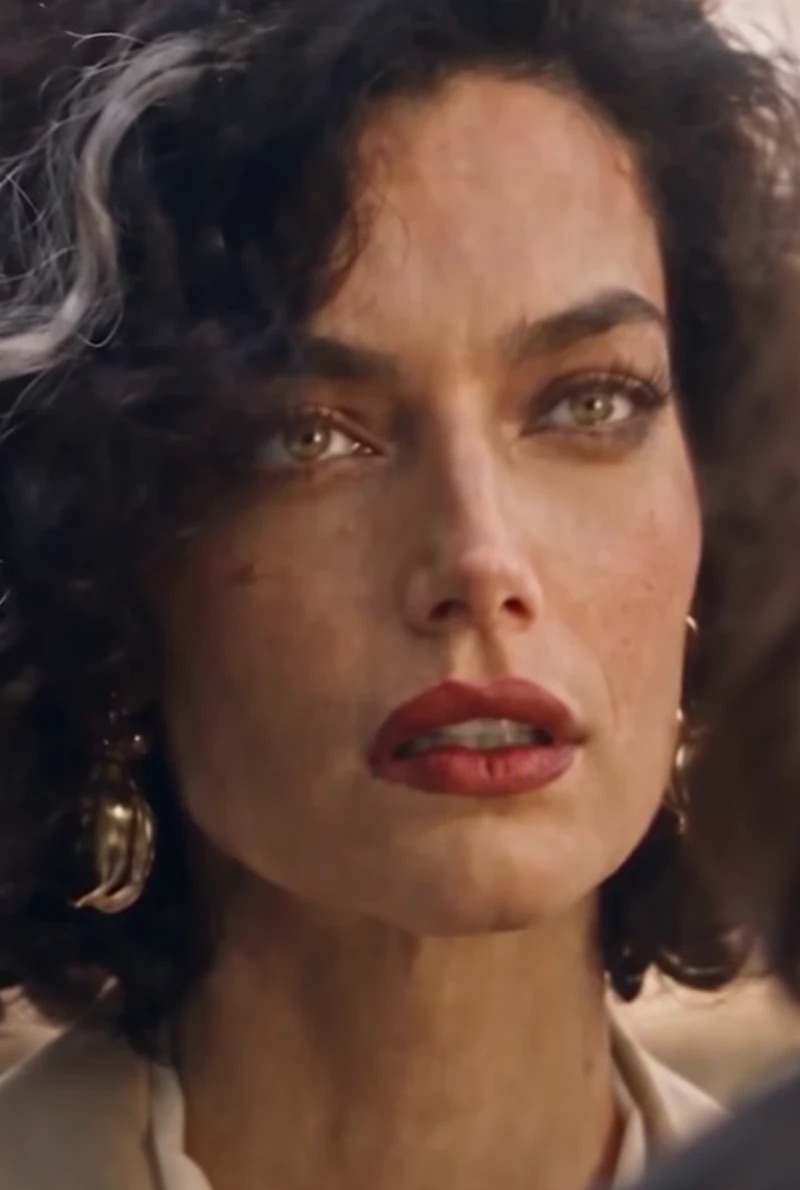

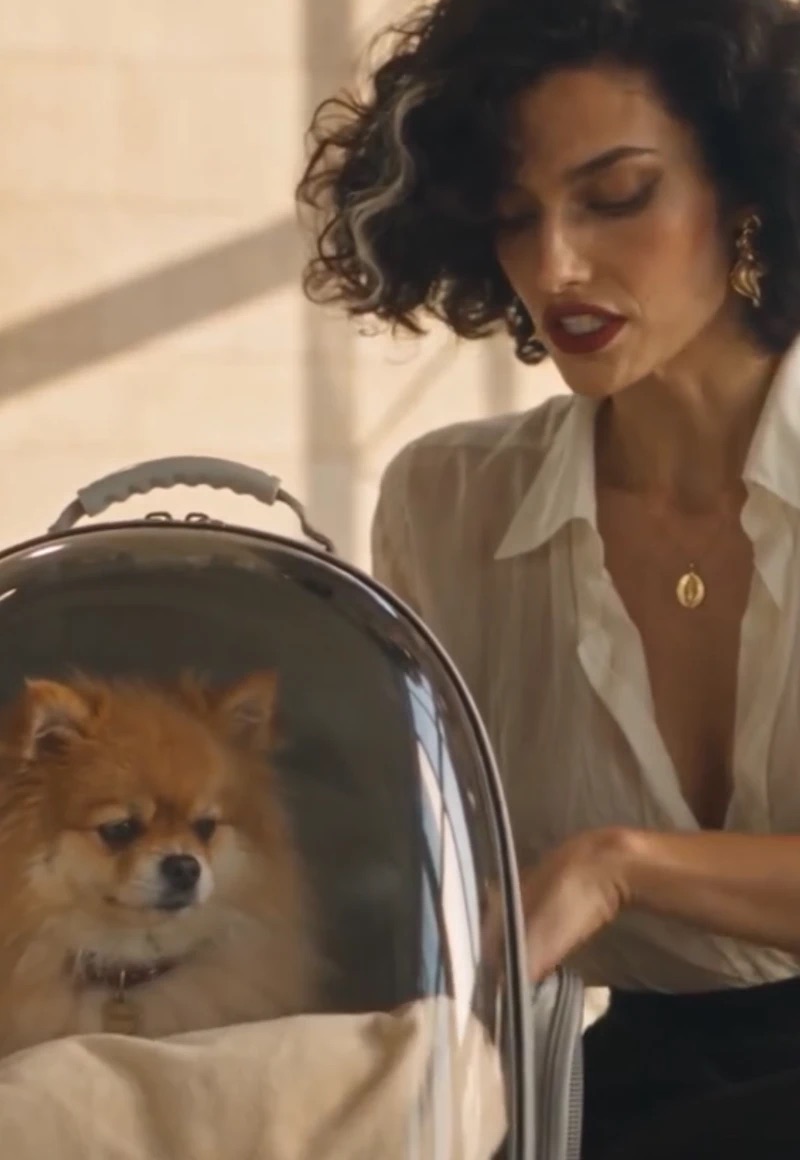

The face is only the start.
People come back for someone who wants something, hides something, and gets caught by the camera. Vivienne Vale is 412 years old, lives in Los Angeles, and performs feelings she can't feel. Her Pomeranian, Norman, is the only one she doesn't have to impress. That's the engine of every episode, and it's the first thing you'll build for your own character.
She wants to be loved
1 / 5
The curriculum
What's inside the course
Eight modules in the order you'd make a real series, every prompt for the AI writers' room behind Viv & Norman, a bonus module with the prompt for your own content factory, and two written reviews of your work.
Module 1
The Character
Want, secret, contradiction, scene partner, and the short last line. You leave with your Character Card. Agent prompts: psychologist, dialogue writer.
Module 2
The Episode
One conflict, one turn, one reaction, and the four-step loop that brings viewers back. You write three scripts. Agent prompts: story structure, trend scout, retention editor.
Module 3
Scenes That Feel Real
Action, pause and reaction, the way people really behave. Shot sizes and camera, planned like a film. Agent prompt: director, with reaction beats and nine tested camera moves.
Module 4
Same Face, Every Shot
Reference frame, character sheet and the three-shot check before you spend credits on an episode. Agent prompt: canon keeper, which checks every frame against your character.
Module 5
Storyboard to Shots
Prompts and generation in Higgsfield, with a cost sheet for every episode. Agent prompt: turns your storyboard into generation prompts.
Module 6
Assembly in Code
Cut, word-timed titles and sound from one template, the way Viv & Norman is assembled.
Module 7
Your Factory
Turn the steps into a weekly system: scripts drafted from your Character Card, one-command assembly, scheduled posting and a simple scorecard. You keep the script, the face and the final yes. Agent prompts: the full writers' room, caption writer, analyst.
Module 8
Mistakes, and How Not to Repeat Them
Episode 10 taken apart: what broke between two video models, four rounds of prompts and the repairs. Plus the episode we shelved when the face drifted, a posting rule that failed twice, and the hour that cost us views. You leave with a checklist to run before every episode.
Bonus module
The Factory Prompt
The prompt the Viv & Norman content factory was built from, as a template for your character. Give it to an AI assistant and it builds your factory: scouting, scripts, assembly, captions, schedule and numbers. Paid generation runs only when you say yes.
Reviews
Two written reviews
From me: one on your three scripts, one on your first episode's rough cut.
Bonuses
The real documents
Vivienne's annotated Character Bible, the Re-Hook Loop checklist and one episode taken apart start to finish.
Your writers' room
Every agent prompt that works on Vivienne, ready for your character
Viv & Norman isn't written alone. A room of AI agents develops each episode and checks it against her canon. In the course you get every one of their prompts and set them up for your own character, in Claude or ChatGPT. They draft and check; you choose.
- PsychologistReads your character through her actions, her defenses and her blind spot.
- Dialogue writerKeeps every line speakable and in her voice, with a job to do.
- Story structureOne idea per episode, the gap between what she wants and what she needs, a turn that changes things.
- Trend scoutA daily brief of what's working, turned into moves for your character.
- Retention editorThe first two seconds, the pause before the joke, a payoff worth sending to a friend.
- DirectorReaction beats, close-ups against wide shots, nine tested camera moves.
- Canon keeperRejects any script or frame that breaks the character, however beautiful.
- Prompt writerTurns the storyboard into generation prompts, one move per shot.
- Caption writerCaptions and the first comment in the series' formula.
- AnalystTags each episode and reads the numbers at 24 hours and 7 days.
What you'll make
For your own character, step by step, during the cohort.
A Character Card
What your character wants, what they can't admit, and who they play against.
Three episode scripts
Each with one conflict, one turn and one reaction.
A storyboard
Every shot has an action and a pause, the way people really behave.
Three test shots, same face
Proof your character stays recognisable before you spend credits on a full episode.
A credit cost sheet
The bill for your first episode, before the first generation.
Your first episode, assembled in code
Cut, word-timed titles and sound, from a template you reuse for every episode.
Three episodes, released
On your own account, with a hook that brings viewers to the next one.
How one Viv & Norman episode gets made
Script
A moment from real life, exact lines and a short last line.
Scene breakdown
What she wants in each scene, and where she gives herself away.
Storyboard
Shot sizes and camera, planned like a film.
First frames
One approved face reference for the whole episode.
Generation
Pieces of 10–15 seconds in Higgsfield.
Assembly in code
Word-timed titles and sound.
I know the bill before I generate. On Seedance 2.5 at 720p a finished minute is about 390 credits. Pieces without dialogue go to a cheaper model. You can watch the result: episodes go out on @viv.and.norman.
The toolkit
Tools you'll learn
Two tools carry the whole series: Higgsfield for every shot, code for every edit. An AI assistant runs the weekly system around them. Each one is set up step by step.
- HiggsfieldWhere every shot is generated. Paid plan.
- Seedance 2.5Dialogue scenes, inside Higgsfield.
- Kling 3.0Cheaper pieces and camera moves, inside Higgsfield.
- ffmpegCut, titles and sound in code. Free.
- WhisperWord timings for the titles. Free.
- A code editorWhere the episode template lives. Free.
- An AI assistantClaude or ChatGPT. Drafts scripts from your canon and runs your factory in Module 7. A free plan is enough to start.
After the course
Where a series can take you
A character people return to is the asset. Here's what creators build on top of one.
Your own audience
Viewers who follow a character, not a trend. They come back for the next episode.
Creator payouts
Instagram, TikTok, YouTube and Facebook run payout programs for eligible accounts.
Branded episodes
Brands pay to appear inside a show their customers already watch.
A character for your business
Whatever you already run, a recurring character can carry its content and ads.
Series made to order
Companies commission a mascot and a run of episodes from people who can deliver them.
Selling what you build
Character bibles, templates and guides you make once and sell repeatedly.
None of this is guaranteed, and I don't promise income, views or followers. What the course gives you is the character and three released episodes. What you build on them is yours.
The market
Audiences stay for characters.
Public numbers, checked in October 2026.
YouTube subscribers of Bible Chronicles Animation, an AI-animated series with recurring characters. Its creators now sell a course on how they make it.
Paid Patreon members of Mickmumpitz, who shares workflows for AI films and consistent characters.
YouTube's monetization rules against mass-produced, repetitive content took effect. A series with one character and a story is the opposite of that.
Sources: SponsorRadar, Bible Chronicles Animation; Mickmumpitz on Patreon; BetaNews, July 10, 2025.
Who it's for
Is this right for you?
Yes, if
- You have a character in your head, or a clip you love, and no second episode.
- You want viewers to care what happens to your character, not only how it looks.
- You'd rather learn from a series that's running than from a demo reel.
- You want to know the bill in credits before you generate.
- You have evenings to work and want written notes on your own scripts and cut.
- You're a beginner with tools. Story people are welcome.
Probably not, if
- You want a guaranteed number of views, followers or income. I don't promise those.
- You want one viral clip in an hour and no second episode.
- You plan to mass-produce kids' content for YouTube.
- You won't pay for any generation credits. You'll need at least one paid plan.
- You need weekly live calls. Feedback here is written.
Why learn here. What you can expect.
- Taught from a series that's running.
- Every lesson comes from Viv & Norman. You can check the episodes any day.
- Character first, tools second.
- The part no tool tutorial teaches: why anyone would watch episode two.
- The bill before the first shot.
- Real credit numbers from a real series, and your own cost sheet.
- One template for every episode.
- Edit once in code, then change the lines. The series looks like a series.
Why this course
- A complete path.
- Eight modules in the order you'd make a real series, from character to a weekly system, plus our mistakes so you skip them.
- My eyes on your work.
- Two written reviews: your three scripts, then your first episode's rough cut.
- The real documents.
- Vivienne's Character Bible, annotated, and one episode taken apart start to finish.
- Kept current.
- Six months of updates when the models change.
What you can expect
Pricing
Choose your way in.
Enrollment isn't open yet. Join the waitlist to hear first and keep the founding price.
Founding cohort
Opens firstThe full course, written reviews and every bonus. For anyone starting a series, including from zero.
Founding price. It goes up after this cohort.
- All eight modules, from character to your weekly system
- Every agent prompt from the Viv & Norman writers' room
- Bonus module: the prompt for your own content factory
- Two written reviews from me
- Episode cost sheet and real credit numbers
- Vivienne's Character Bible, annotated
- The Re-Hook Loop and one episode start to finish
- Six months of model updates
- 20 seats, because I review every student's work myself
You're on the list. Here's your free Character Card: open it or download the PDF.
The Writers' Room
A monthly room for people who already make episodes. Opens after the first cohort.
Not open yet.
- A place to post episodes and get notes
- New lessons as the tools change
- Doesn't include the course or written reviews
Generation credits are paid to Higgsfield directly and aren't included. No countdown timers.
What's inside, and what it's worth
Each value is what the market charges for a comparable product.
1. The CharacterWant, secret, contradiction, scene partner, and the short last line. | $78 |
|---|---|
2. The EpisodeOne conflict, one turn, one reaction, plus the four-step loop that brings viewers back. | $117 |
3. Scenes That Feel RealAction, pause and reaction, the way people really behave. | $81 |
4. Same Face, Every ShotReference frame, character sheet, three-shot check. | $50 |
5. Storyboard to ShotsPrompts and generation in Higgsfield, with a cost sheet for every episode. | $99 |
6. Assembly in CodeCut, word-timed titles and sound from one template, the way Viv & Norman is assembled. | $150 |
7. Your FactoryScripts from your Character Card, one-command assembly, scheduled posting and a scorecard. | included |
8. Mistakes, and How Not to Repeat ThemEpisode 10 taken apart, plus the checklist we now run before every episode. | included |
The writers' room promptsPsychologist, dialogue writer, story structure, trend scout, retention editor, director, canon keeper, prompt writer, caption writer, analyst. | included |
Bonus module: The Factory PromptThe prompt behind the Viv & Norman content factory, as a template for your character. | included |
Episode Cost SheetCredits per episode, model by model, before the first generation. | included |
Two written reviewsOne on your three scripts, one on your first episode's rough cut. | $97 |
Six months of model updatesNew lessons when the tools change. | $54 |
Bonuses | |
Vivienne's Character Bible, annotatedThe real document behind the series, with notes on why each line is there. | $27 |
The Re-Hook LoopA one-page checklist: stakes, a big question, a misdirect, and the hook into the next episode. | $19 |
One Episode, Start to FinishScript, scene breakdown, storyboard and prompts of a real Viv & Norman episode, with what changed along the way. | $20 |
| Total value | $792 |
| Founding cohort | $297 |
Joining costs nothing
The waitlist is free. You pay nothing today and nothing is charged automatically.
Before enrollment opens, you get the full program, the dates and the terms by email. You decide then. Reply "remove" to any email and I'll take you off the list.
Views, followers and income are never promised.
Questions
Choosing
Is this for beginners?
Do I need to know how to draw, write or edit?
What's the difference between the founding cohort and the Writers' Room?
Tools and cost
How much do credits cost per episode?
Why edit in code?
Do I need a powerful computer?
What if the models change?
The cohort
When does the cohort start?
Are there live calls?
Why only 20 seats?
Before you join
Do I pay anything now?
Will this make me money?
Will the price go up?
What's the free Character Card?
Your character deserves a second episode.
And a third.
The course, Vivienne's real documents, and written notes on your own work from the person who makes the series.
You're on the list. Here's your free Character Card: open it or download the PDF.
Not ready? Comment VIV on any Viv & Norman episode and get the free Character Card.
P.S. I read every message that comes in on @viv.and.norman, and I'll read your scripts myself. If you're serious about your character, that's where I'll see you.